To protect patients in a health-care building and residents in an aged care building from the spread of fire and smoke.
C3D6 Class 9 buildings
General
It should be noted that C3D6(1) applies to Class 9a health-care buildings. C3D6(3) only applies to Class 9c buildings.
Class 9a buildings—evacuation difficulties
Residents or patients of Class 9a buildings are often unable to evacuate a building without assistance. They may be incapable of walking or bedridden. It is important to make sure that fire and smoke only affects small areas of the building.
C3D6(1)(a) requires compartmentation for the control of smoke and fire.
C3D6(1)(b) and (e) make it necessary to separate potential sources of fire from any patient care area. C3D6(1)(b) requires fire compartments in Class 9a buildings. An ancillary use area in C3D6(1)(e) is deemed to be an area where there are items of equipment or materials, that have a high potential fire hazard (high fire load or fire source).
C3D6(1)(c) and (d) require sub-compartmentation in certain areas to allow for the staged evacuation of patients from the building. Sub-compartmentation is considered to enhance evacuation procedures, which typically require assistance to be provided to evacuees by an adequate number of staff.
The requirements for smoke proof walls and doors are contained in Specification 11. C3D6(1)(f) provides examples of areas covered by (e).
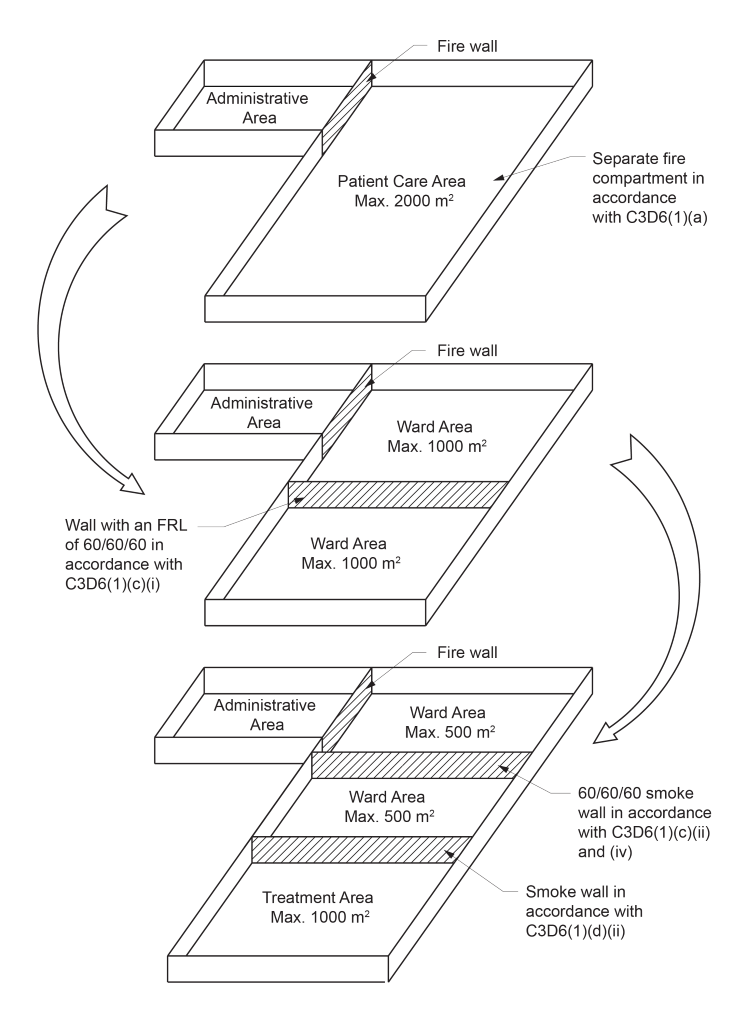
Figure C3D6 illustrates one means of complying with C3D6.
The first part of the figure showshow the administrative area of a hospital has been separated from the patientcare area by a fire wall because the patient care area has a floor area of 2000 m2, the maximum permitted under C3D6(1)(a).
The second part of the figure shows how the ward area must be subdivided into areas with a maximum floor area of 1 000m2 by a wall with an FRL of 60/60/60.
Some floors of Class 9a buildings may require an FRL
Compliance with C3D6(1)(d)(ii) may require a floor in a Class 9a building of Type B construction to have a fire-resistance level (FRL). The reason for this is that it is important to inhibit the spread of fire between floors. Separation of storeys in a Class 9a building also requires any openings in external walls to be vertically separated in accordance with C3D7.
Class 9c buildings—evacuation difficulties
Residents of Class 9c buildings are often unable to evacuate without assistance. They may be incapable of walking or bedridden. It is therefore important to make sure that fire and smoke only affects small areas of the building, hence allowing residents sufficient time should evacuation be necessary.
Some walls and floors of Class 9c buildings may require an FRL
C3D6(3)(b) requires certain walls and floors in Class 9c buildings to have a fire-resistance level(FRL). The reason for this is that it is important to inhibit the spread of fire for resident and occupant safety.
C3D6(3)(c) allows internal walls (other than one bounding a lift or stair shaft)to have an FRL of 60/–/– becausethe floor is required to have an FRL of 60/60/60. Note that the FRL is only required for structural adequacy because Table 4 only requires load bearing walls in these situations to have an FRL with respect to structural adequacy. The lower FRL allowed by C3D6(3)(c) recognises the effectiveness of the required sprinkler systems in Class 9c buildings.
Compartmentation of Class 9c buildings
The compartmentation required by fire rated and smoke proof walls for Class 9c buildings is similar to that required for Class 9a buildings.
The required compartmentation and sub-compartmentation of Class 9c buildings are to allow for the staged evacuation of residents from the building. However, successful evacuation usually depends on assistance being provided to evacuees by an adequate number of staff. The BCA provisions for Class 9c buildings are based on minimal on duty on-site staff being available at any time.
C3D6(3)(a) requires a Class 9c building to be subdivided into areas with a maximum area of 500 m2 by smoke walls complying with Specification 11. No further subdivision of the fire compartments by smoke or fire rated walls is required. This recognises the benefits of sprinkler systems that must be installed in all Class 9c buildings.
An ancillary use area in C3D6(3)(d) is deemed to be an area where there are items of equipment or materials that have a high potential fire hazard (high fire load or fire source). The reason these walls need only be smoke proof, whereas those in a Class 9a building must have an FRL, is that Class 9c buildings must be sprinkler protected.
C3D6(3)(e) provides examples of areas covered by (d).
Figure C3D6: Plan showing one method of complying with C3D6(1) for Class 9a buildings